Unlocking the Amygdala: Why Does Your Brain React This Way?
- Gifted Gabber

- Feb 17
- 3 min read
Have you ever wondered why your heart races when you see something scary or why certain memories trigger strong emotions? The answer often lies deep inside your brain, in a small but powerful structure called the amygdala. This tiny almond-shaped cluster of neurons plays a crucial role in how you experience fear, pleasure, and emotional memories. Understanding the amygdala helps explain why your brain reacts the way it does in moments of stress, joy, or surprise.
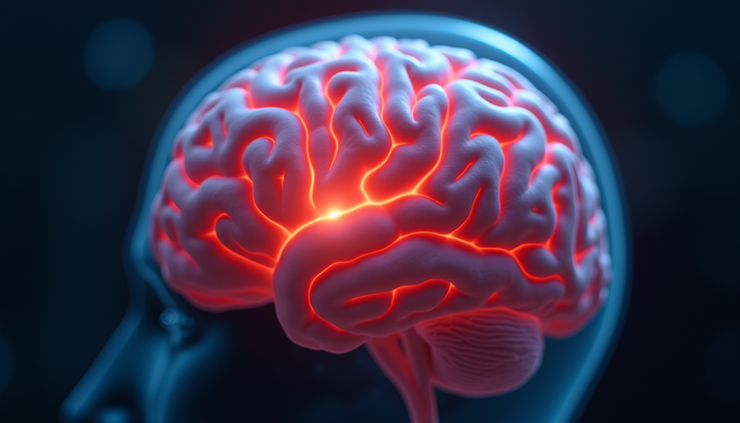
What Is the Amygdala?
The amygdala is part of the limbic system, a group of brain structures involved in emotion, motivation, and memory. Located deep within the temporal lobes, the amygdala acts as an emotional processing hub. It helps your brain quickly assess threats and rewards, triggering appropriate responses to keep you safe or encourage behaviors that feel good.
This small structure influences many aspects of your daily life, from how you react to danger to how you form emotional memories. It works closely with other brain areas, such as the hippocampus, which handles memory formation, and the prefrontal cortex, responsible for decision-making and self-control.
How the Amygdala Triggers Emotional Responses
When you encounter a stimulus—like a loud noise or a smiling face—the amygdala evaluates its emotional significance. If it detects something threatening, it activates the body's fight-or-flight response. This reaction floods your system with adrenaline, increasing your heart rate and sharpening your senses.
For example, if you suddenly see a snake while hiking, your amygdala quickly signals danger. Your body reacts before you even consciously process the threat. This fast response can save your life by preparing you to run or defend yourself.
On the other hand, the amygdala also responds to positive stimuli. Seeing a loved one or receiving praise can activate it, releasing feel-good chemicals like dopamine. This helps reinforce behaviors that promote social bonding and survival.
The Amygdala’s Role in Memory and Learning
The amygdala does more than just trigger emotions; it also influences how memories are stored. Emotional events tend to be remembered more vividly, thanks to the amygdala’s interaction with the hippocampus. When an experience carries strong emotional weight, the amygdala signals the brain to prioritize that memory.
This explains why you might vividly recall your first day at school or a frightening accident. The emotional charge makes those memories stand out, helping you learn from past experiences and avoid danger in the future.
When the Amygdala Overreacts
Sometimes, the amygdala can become overactive, leading to heightened anxiety or fear responses even when there is no real threat. This overreaction is common in conditions like post-traumatic stress disorder (PTSD), phobias, and generalized anxiety disorder.
For instance, a person with PTSD might experience intense fear when hearing a loud noise that reminds them of a traumatic event. Their amygdala triggers a strong emotional and physical response, even though they are safe. Understanding this helps explain why some people struggle with anxiety and how therapies can target amygdala activity to reduce symptoms.

Practical Ways to Calm Your Amygdala
Since the amygdala plays a key role in emotional reactions, learning how to calm it can improve your mental well-being. Here are some effective strategies:
Mindful breathing: Slow, deep breaths help activate the parasympathetic nervous system, which counteracts the amygdala’s fight-or-flight response.
Regular exercise: Physical activity reduces stress hormones and promotes brain health, helping regulate emotional responses.
Exposure therapy: Gradually facing feared situations can retrain the amygdala to respond less intensely.
Positive social connections: Spending time with supportive people releases oxytocin, which can reduce amygdala activity.
Adequate sleep: Sleep helps the brain process emotions and reset amygdala sensitivity.
By practicing these habits, you can build resilience and reduce unnecessary emotional reactions.
Why Understanding Your Amygdala Matters
Knowing how the amygdala works gives insight into your own behavior and emotions. It explains why your brain sometimes reacts before your mind can catch up. This awareness can help you respond to stress more thoughtfully instead of reacting impulsively.
For example, if you recognize that your amygdala is triggering anxiety during a presentation, you can use calming techniques to regain control. Understanding this brain function also fosters empathy for others who may struggle with emotional regulation.
Your amygdala is a powerful part of your brain that shapes your emotional life. By unlocking its secrets, you gain tools to manage your reactions and improve your overall mental health.


Comments